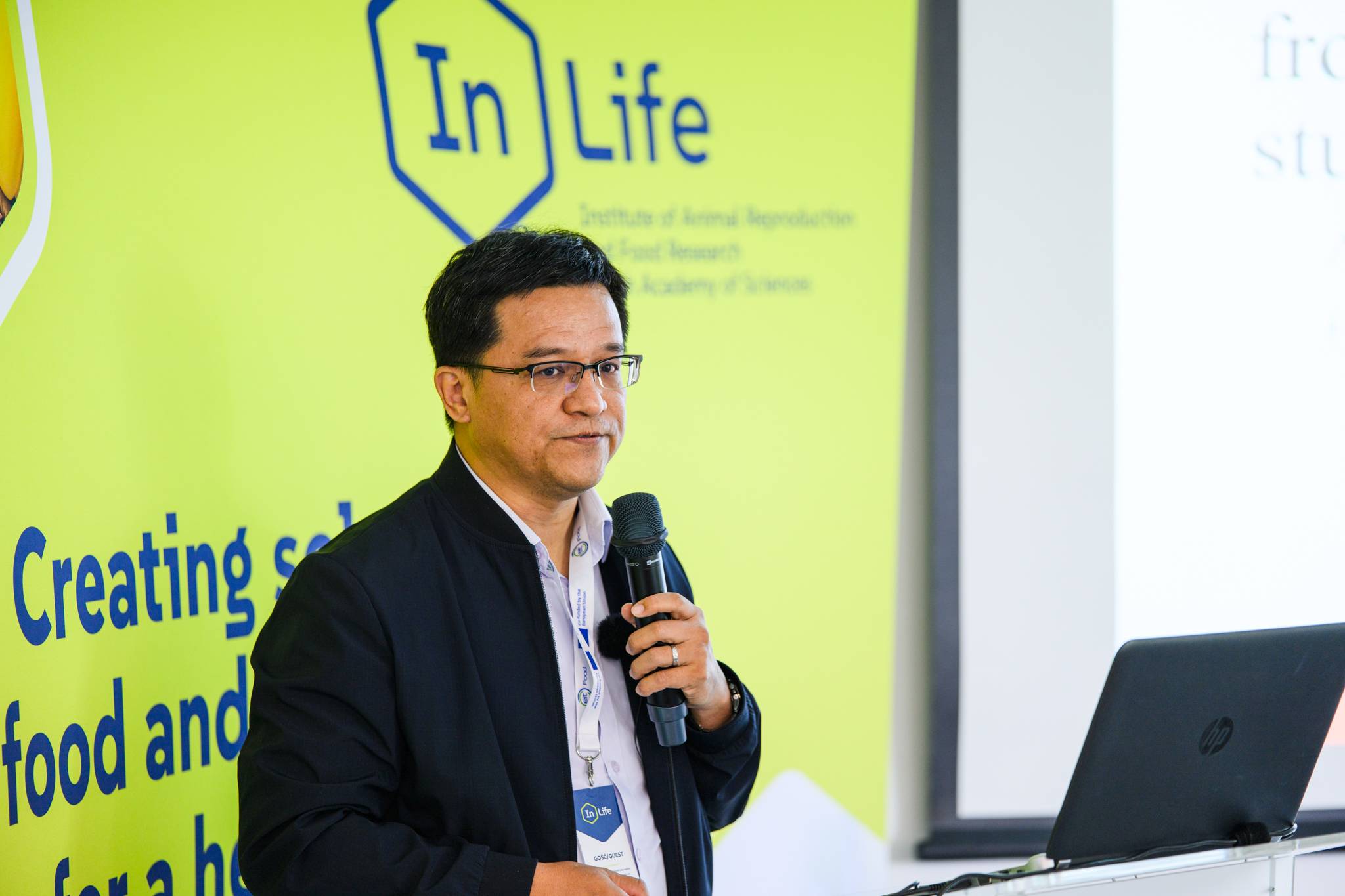
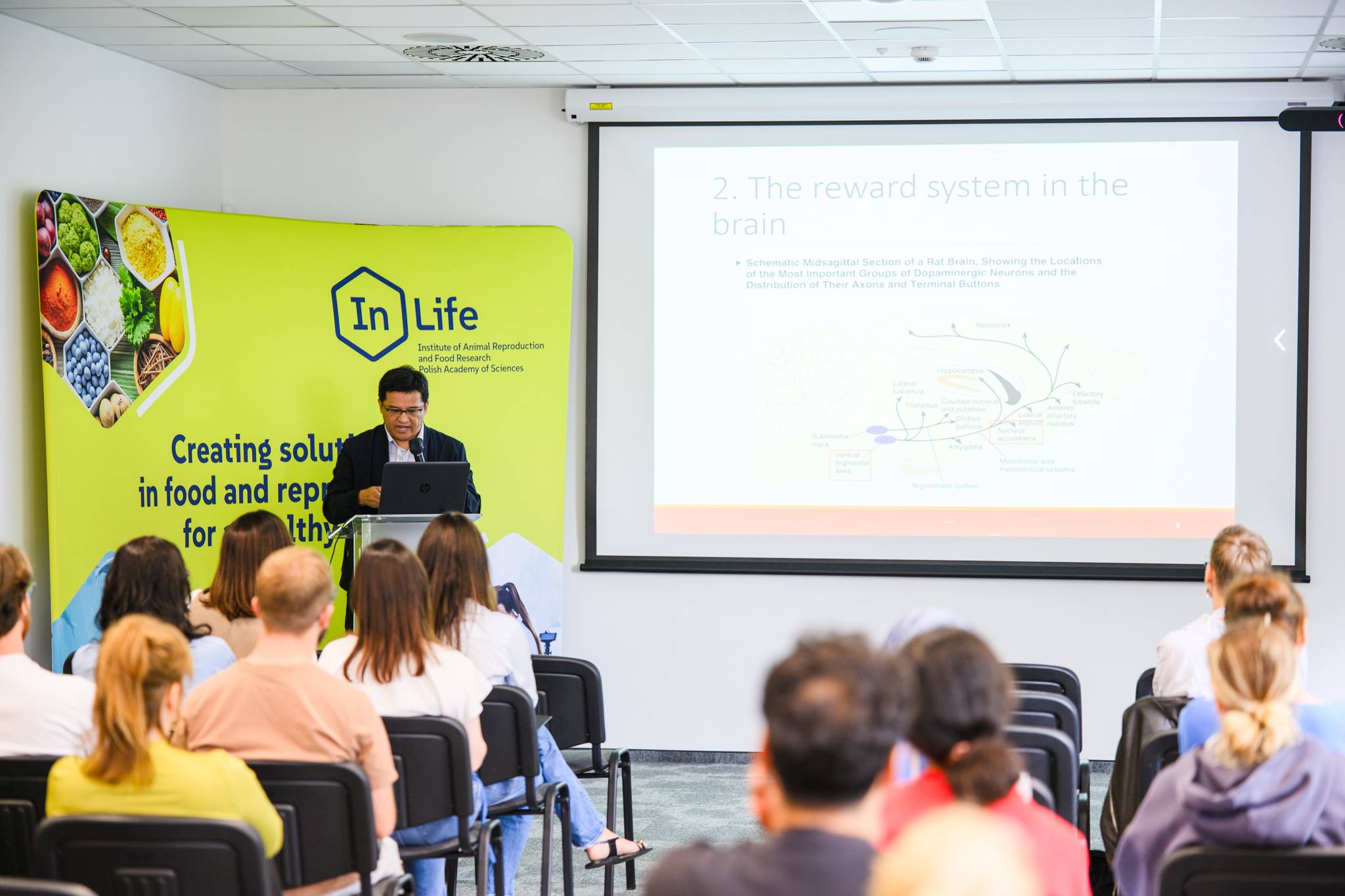
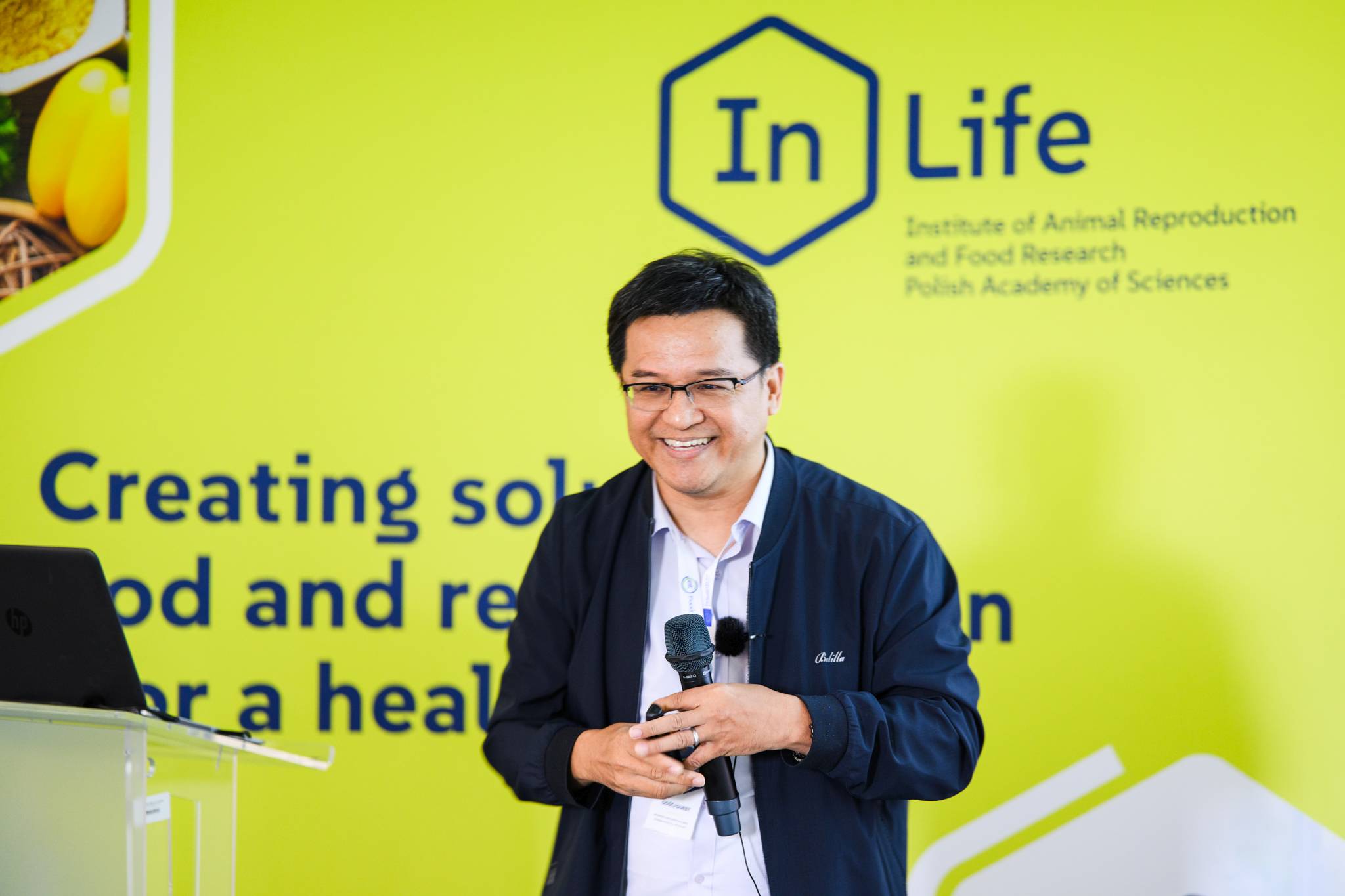
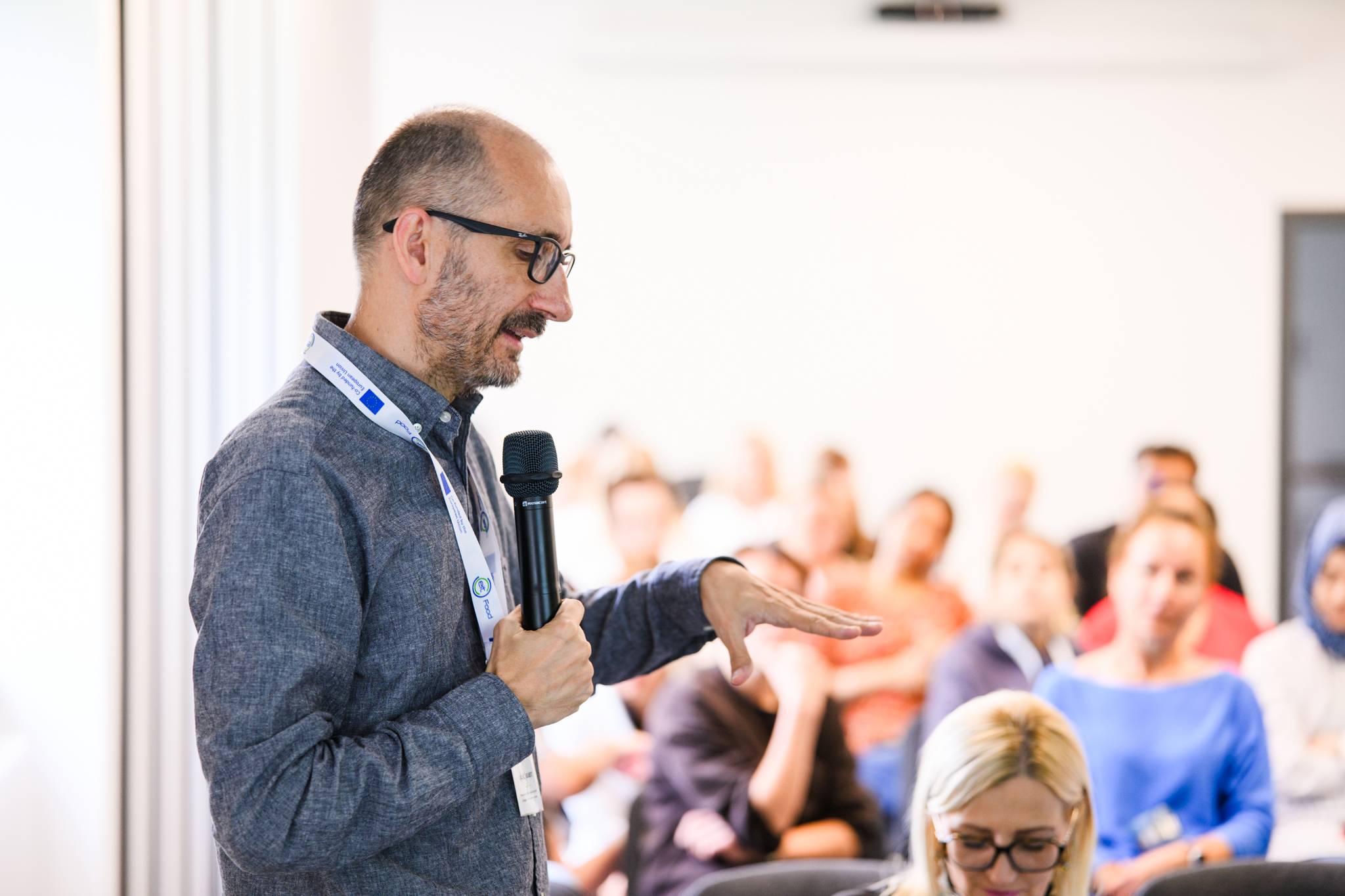
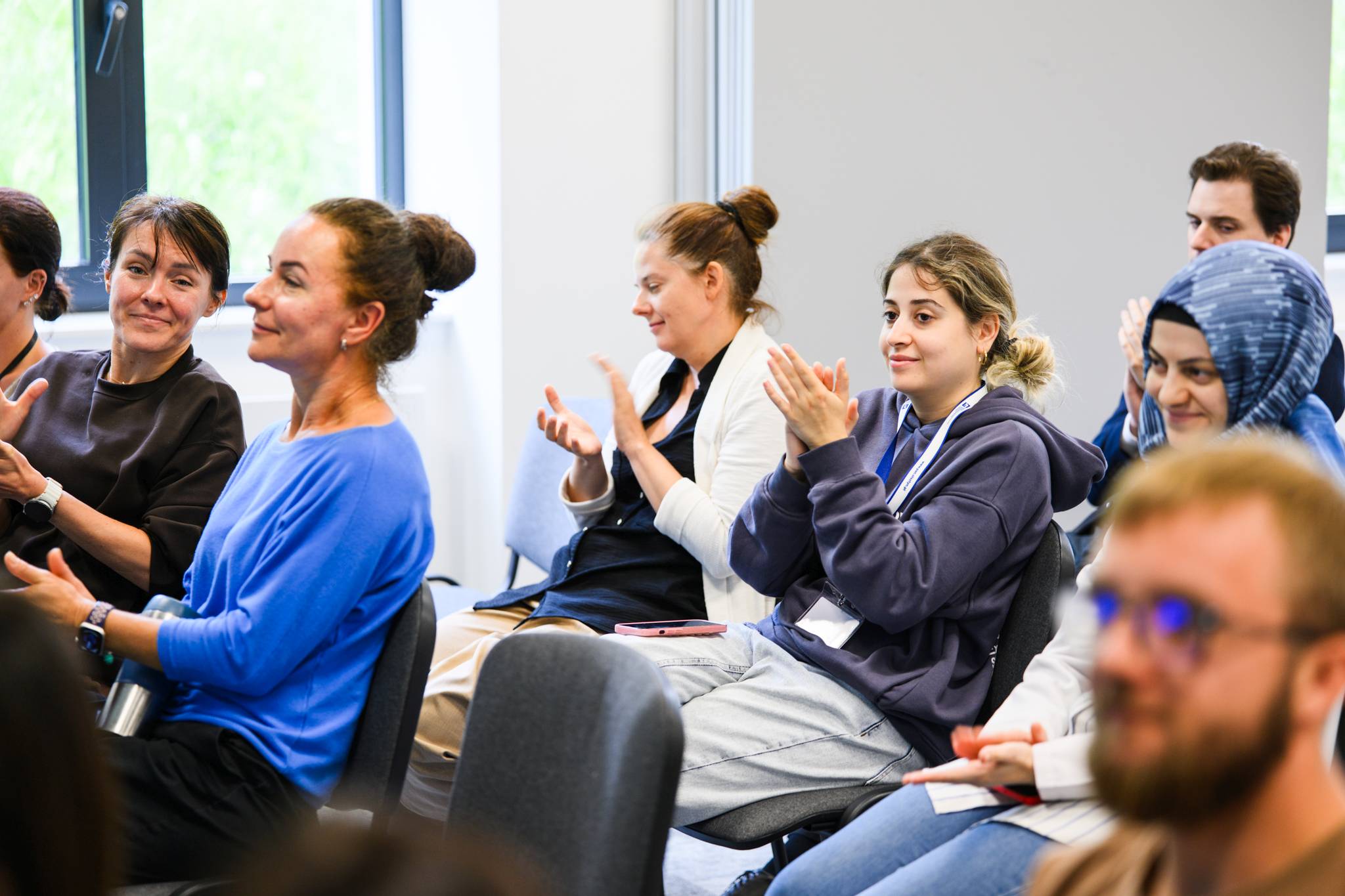
How do opioids alter brain function, and why are they so highly addictive? These questions were explored by Prof. Andrew Chih-Wei Huang of Fo Guang University (Taiwan) during an Open Seminar, where he discussed the mechanisms underlying opioid addiction and the prospects for developing new therapeutic strategies.
The seminar was organized as part of the Welcome2 ERA Chair project and brought together participants interested in behavioral neuroscience and addiction research.
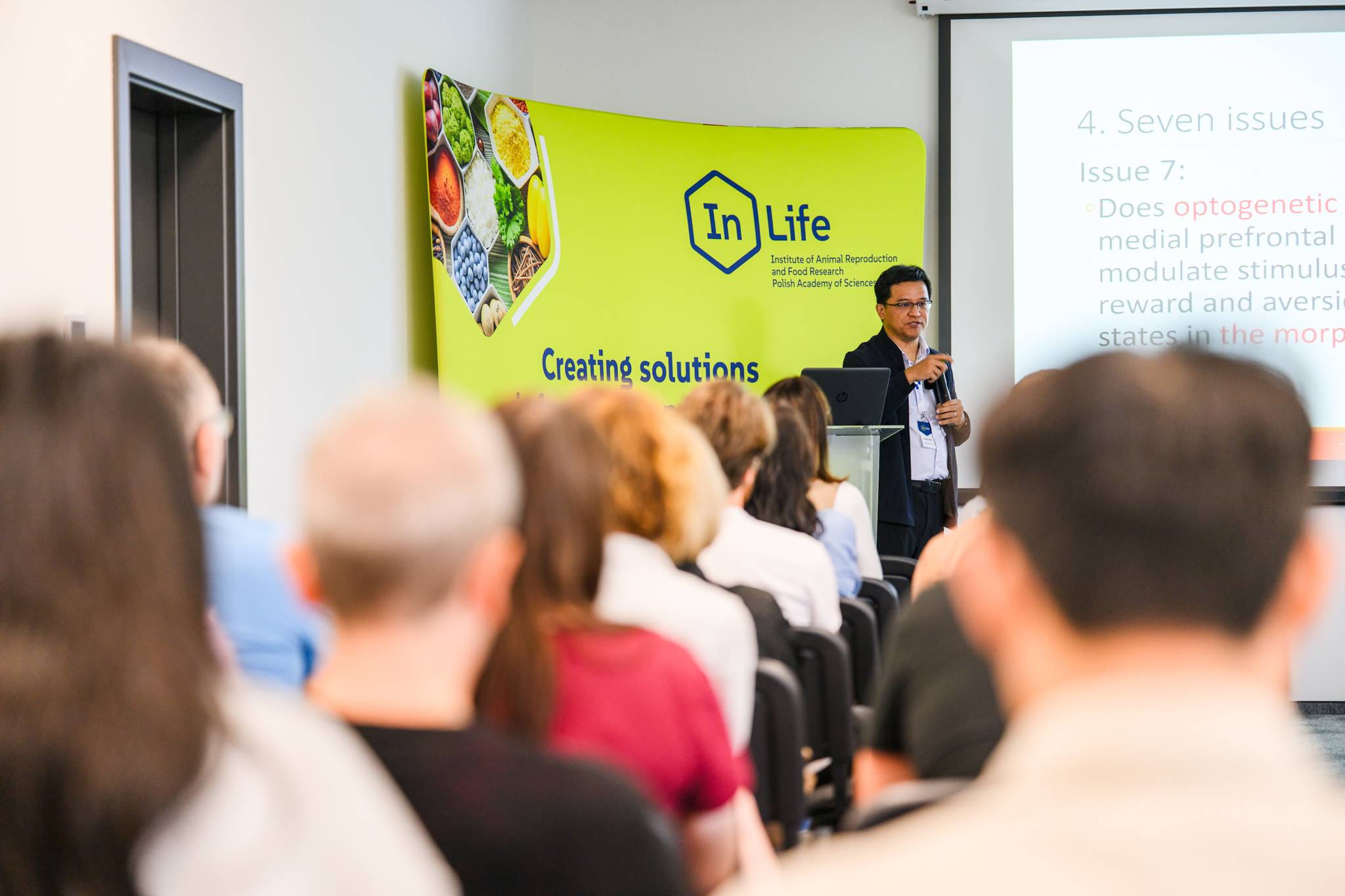
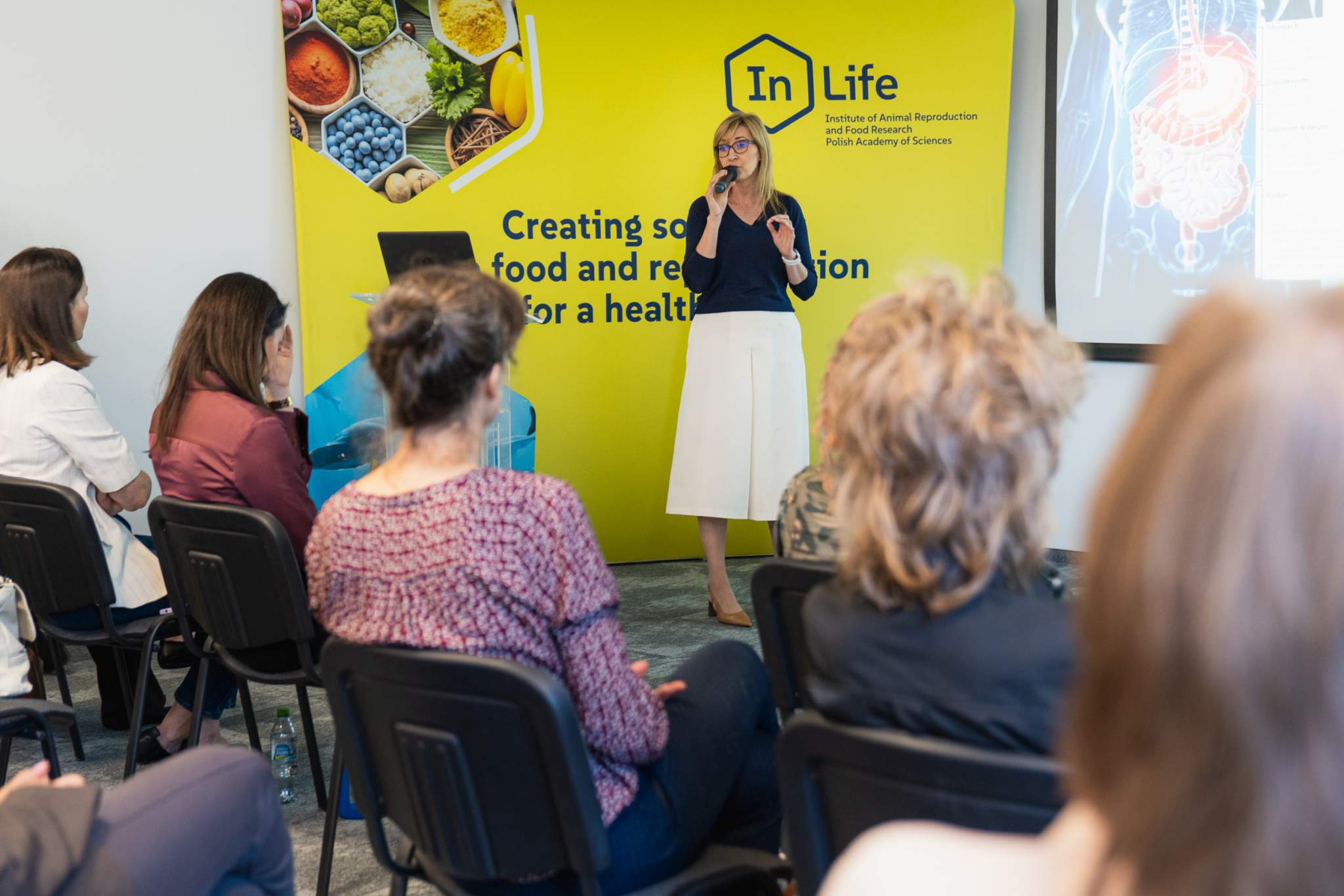
During the seminar, Professor Huang, a renowned expert in behavioral neuroscience, presented his long-term research on the neural mechanisms underlying opioid use disorder and other psychiatric disorders. He discussed studies employing behavioral models, optogenetics, and molecular approaches, which contribute to a better understanding of the brain processes involved in addiction and support the search for new therapeutic strategies.
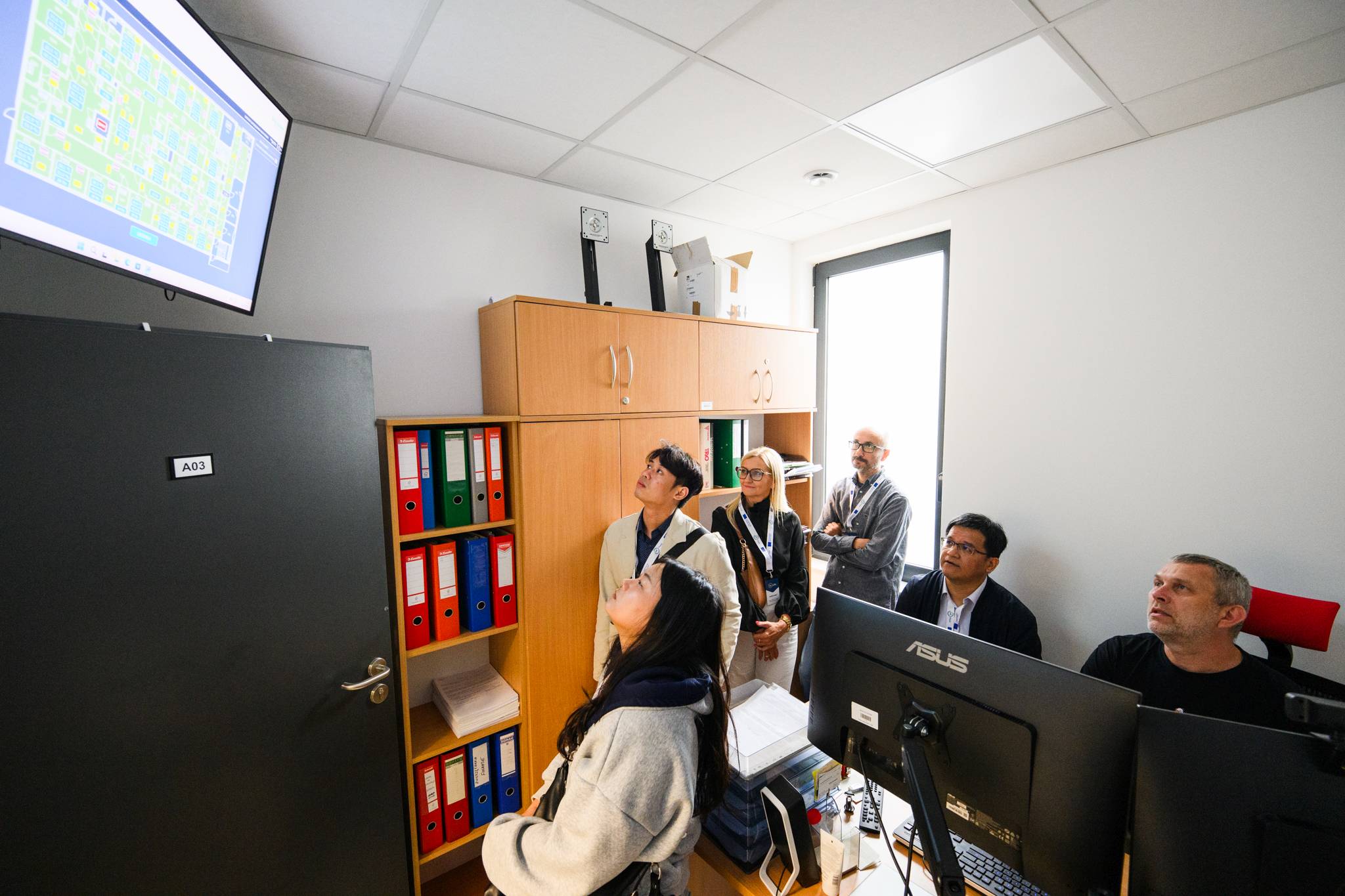
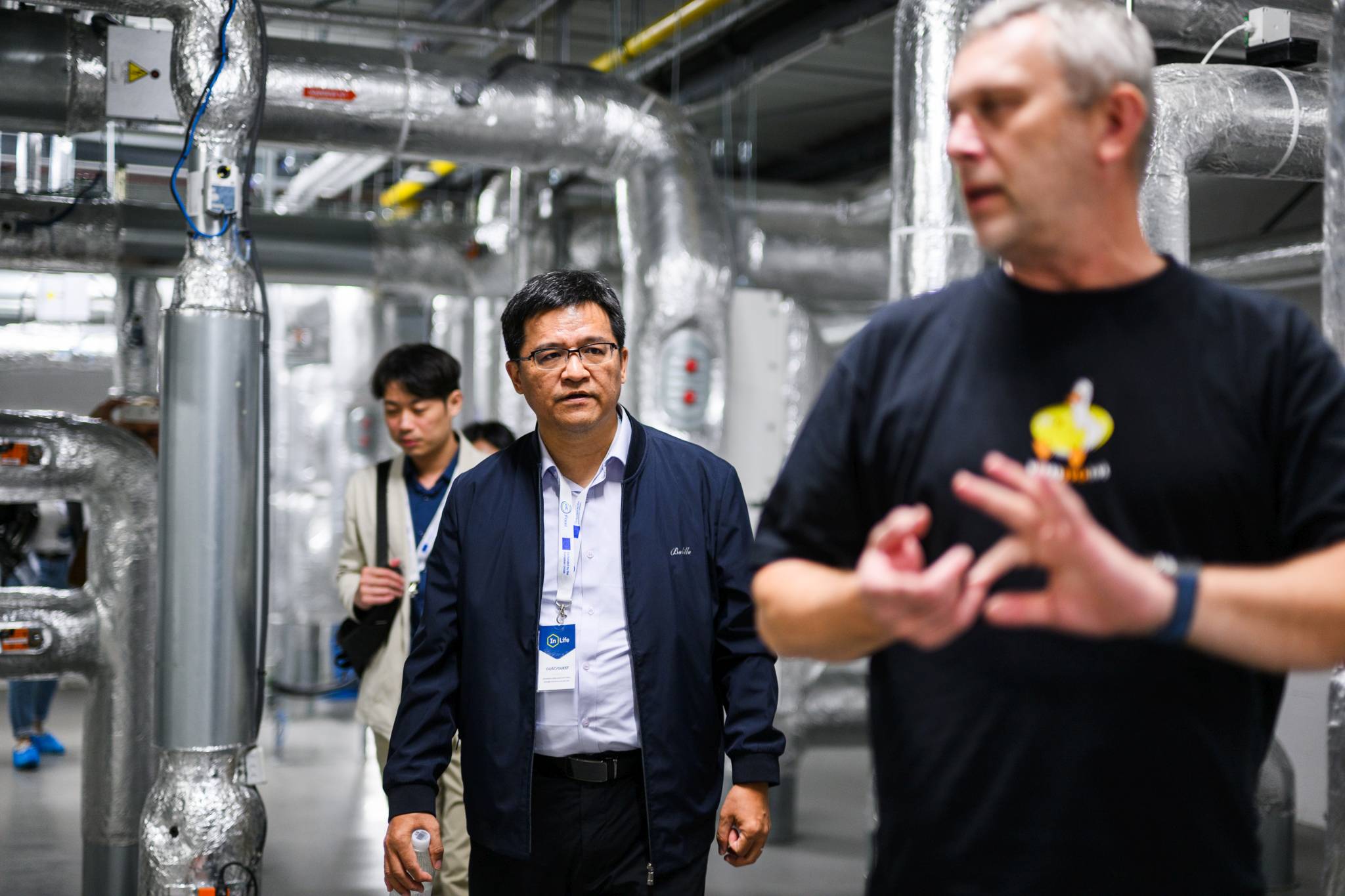
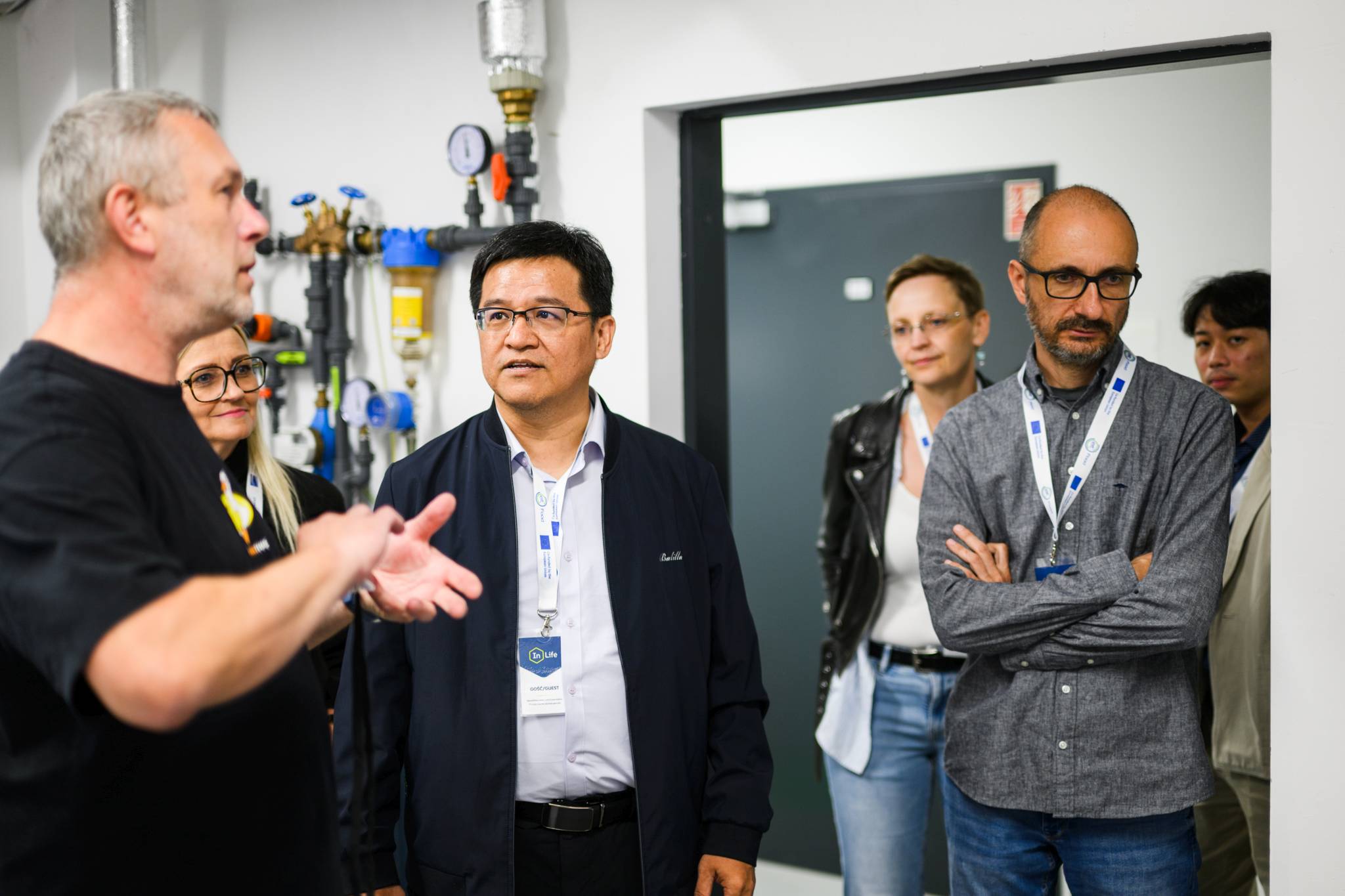
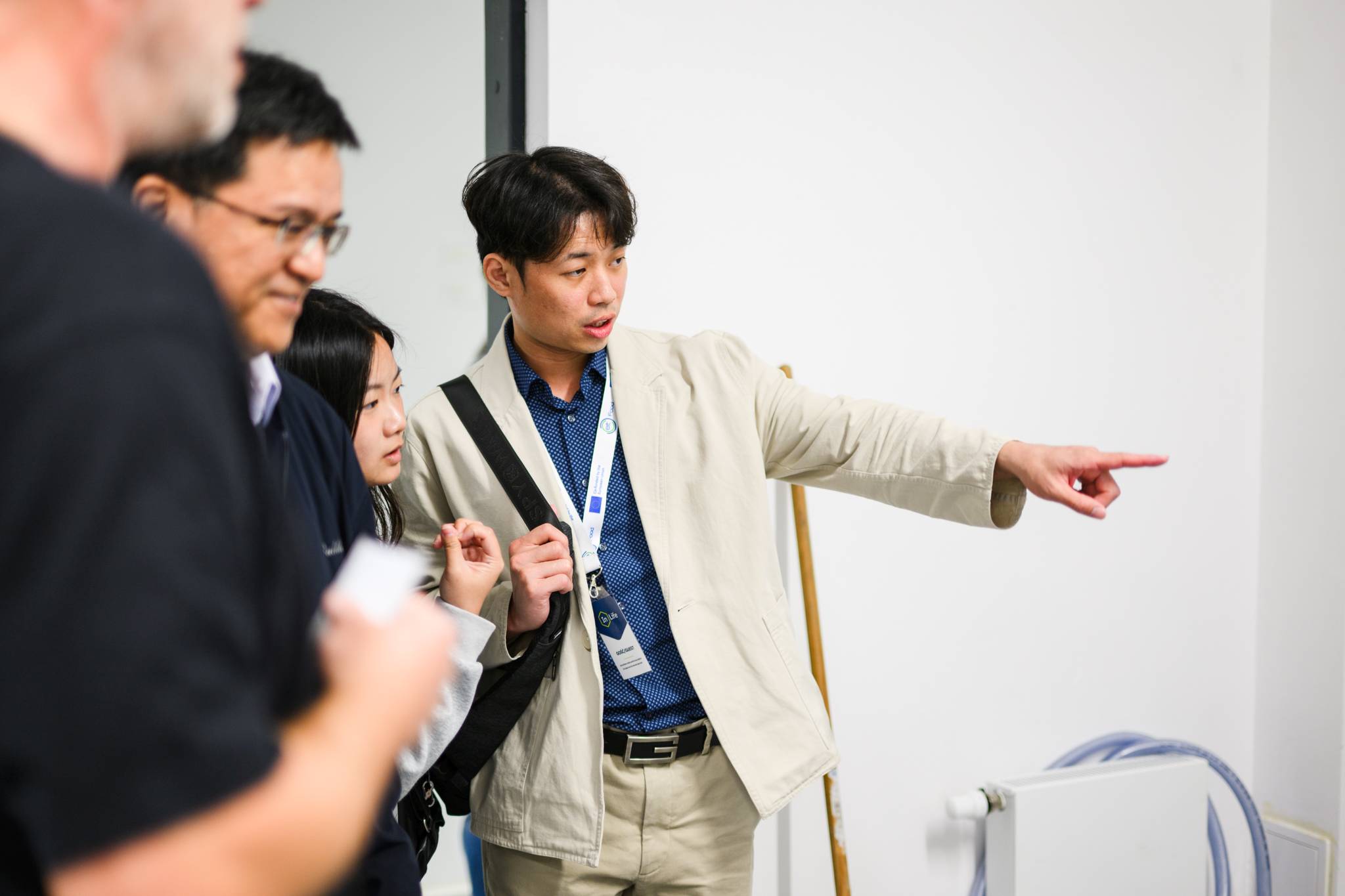
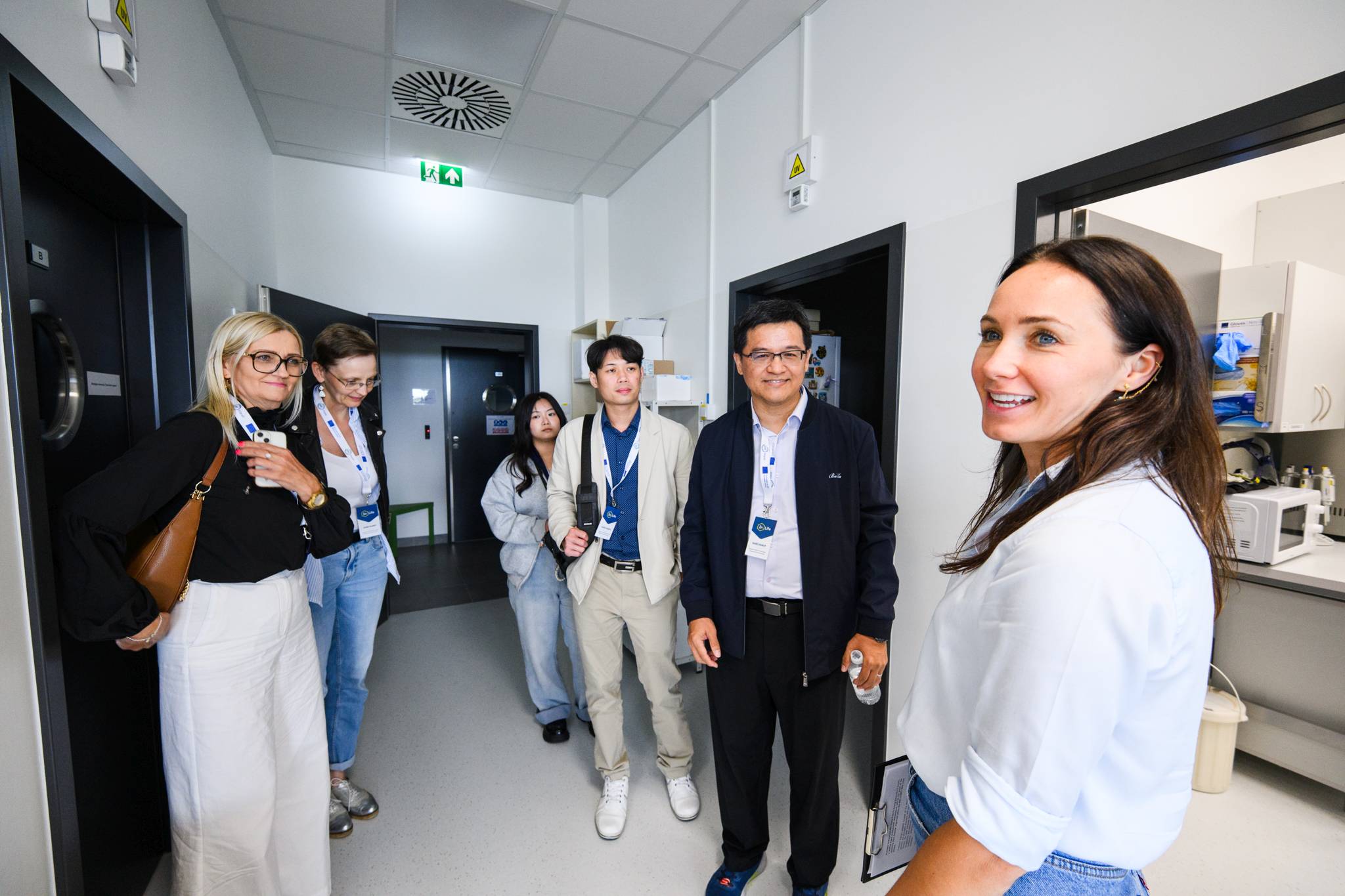
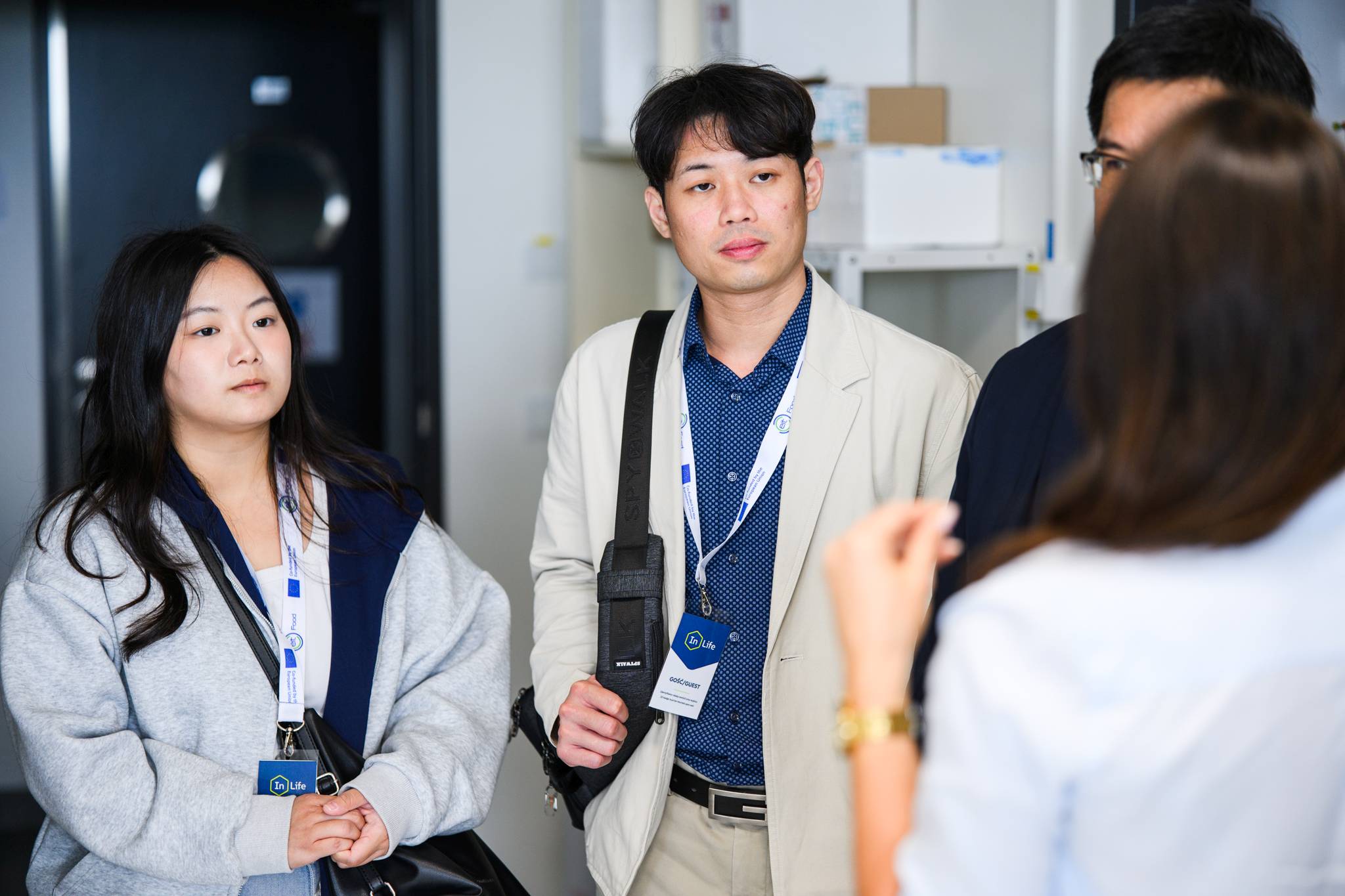
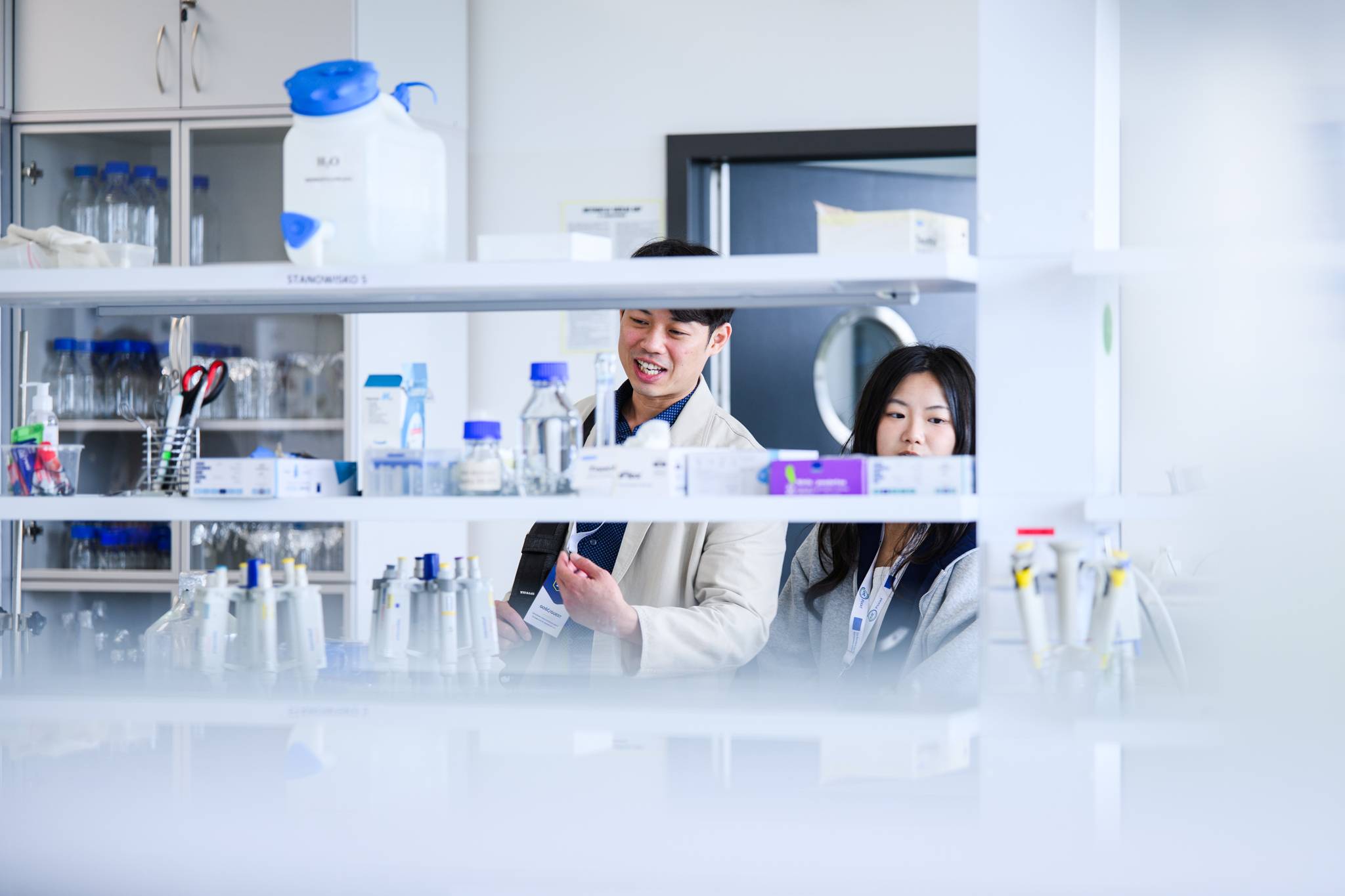
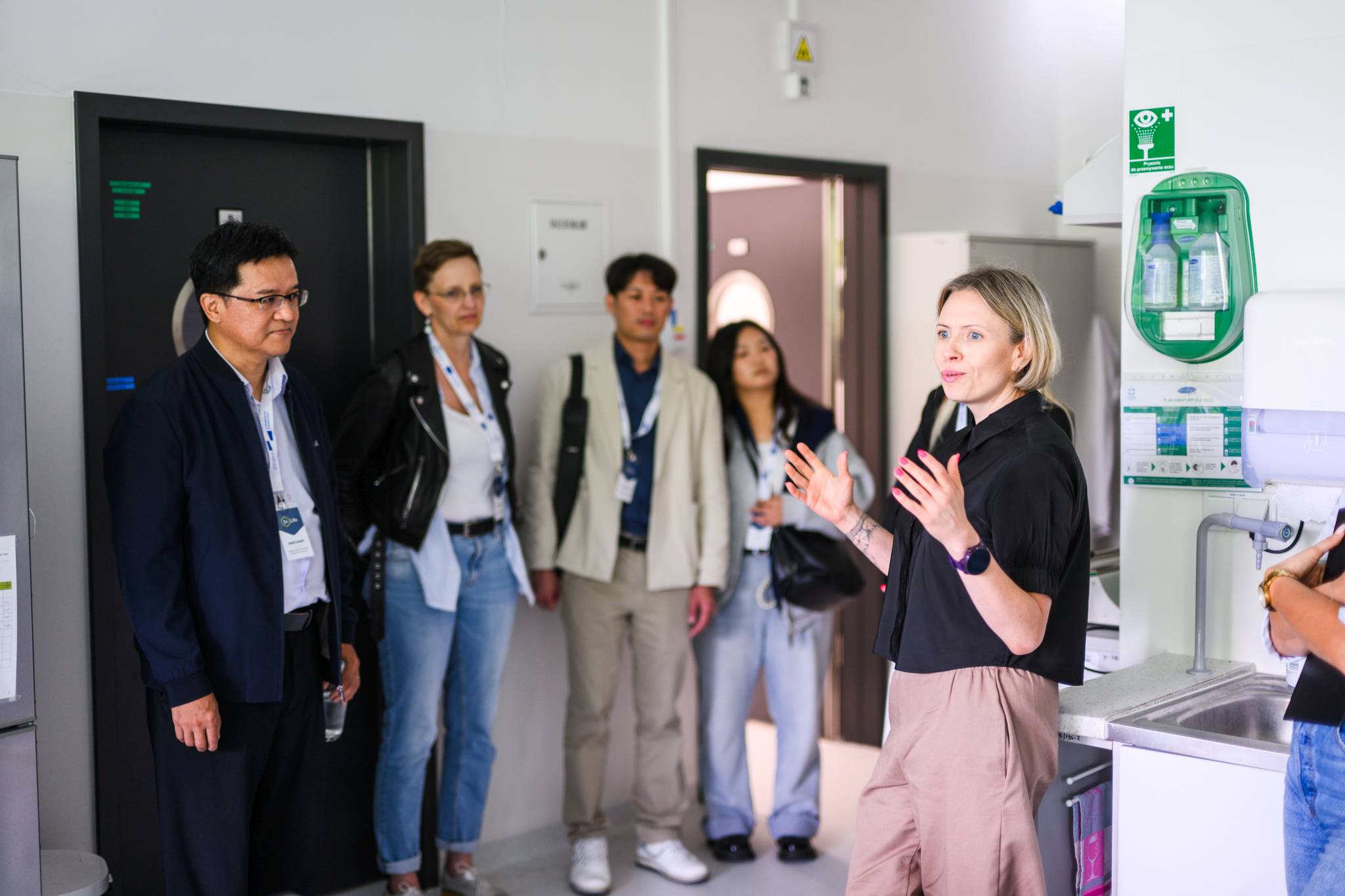
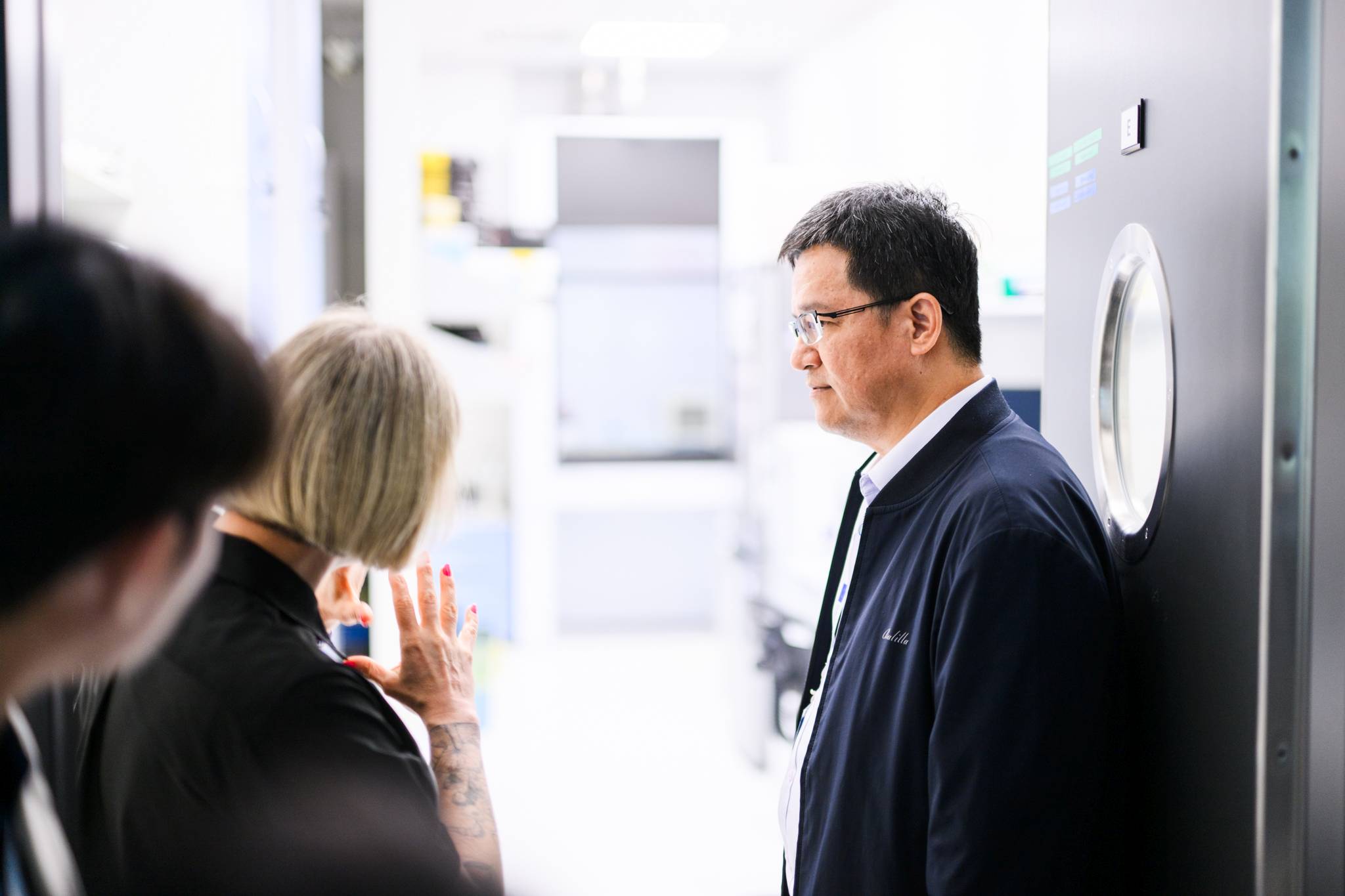
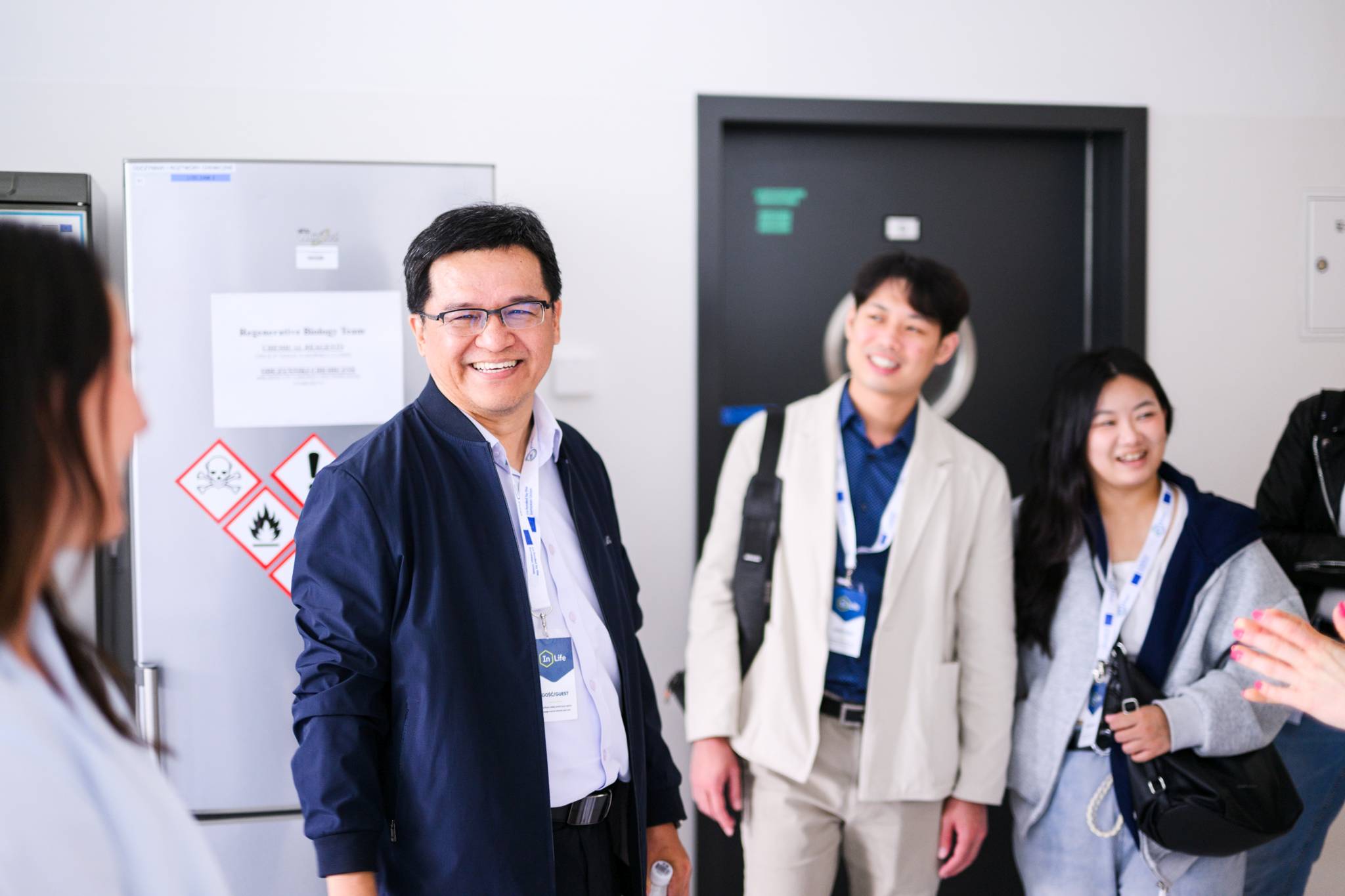
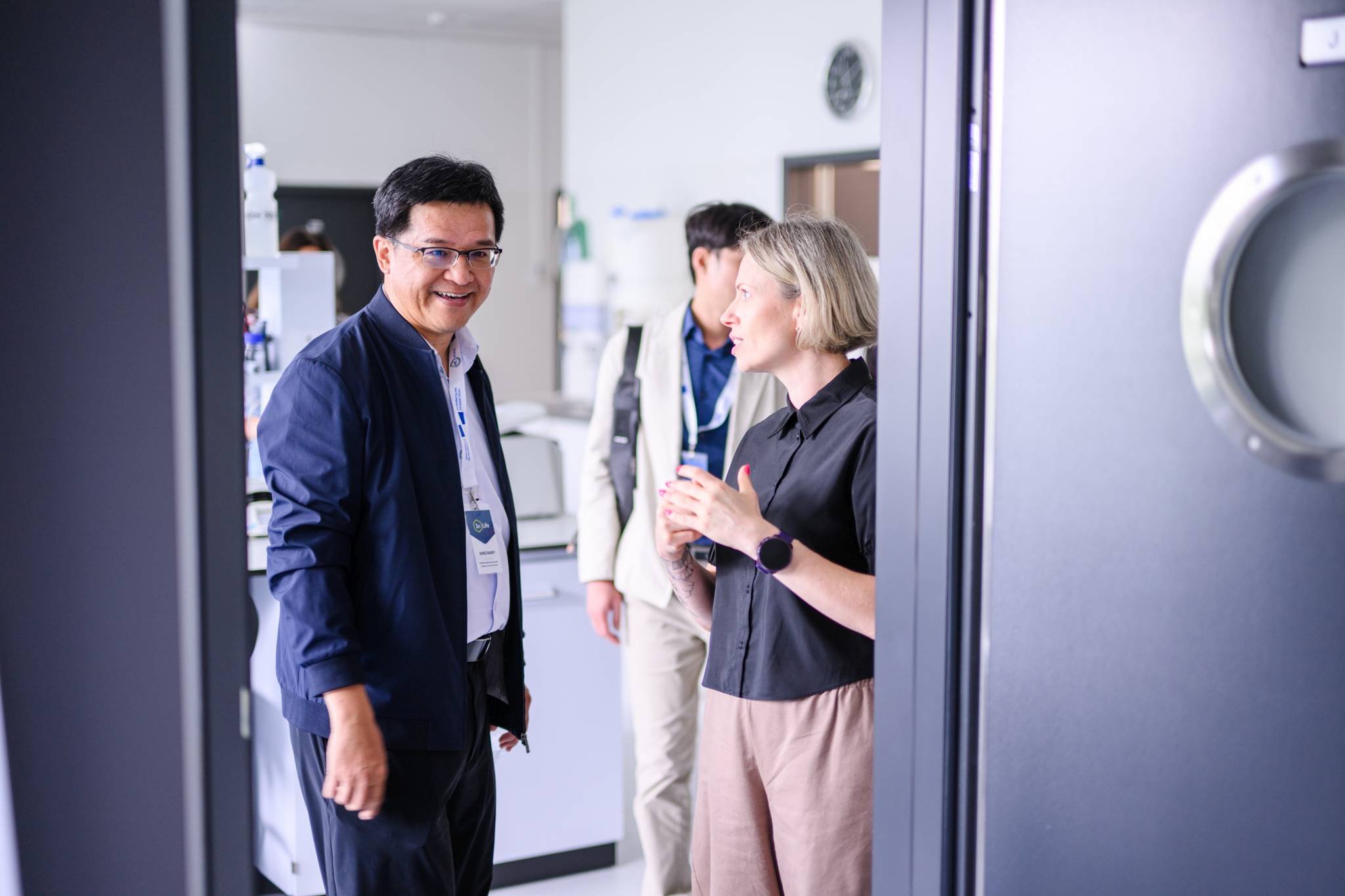
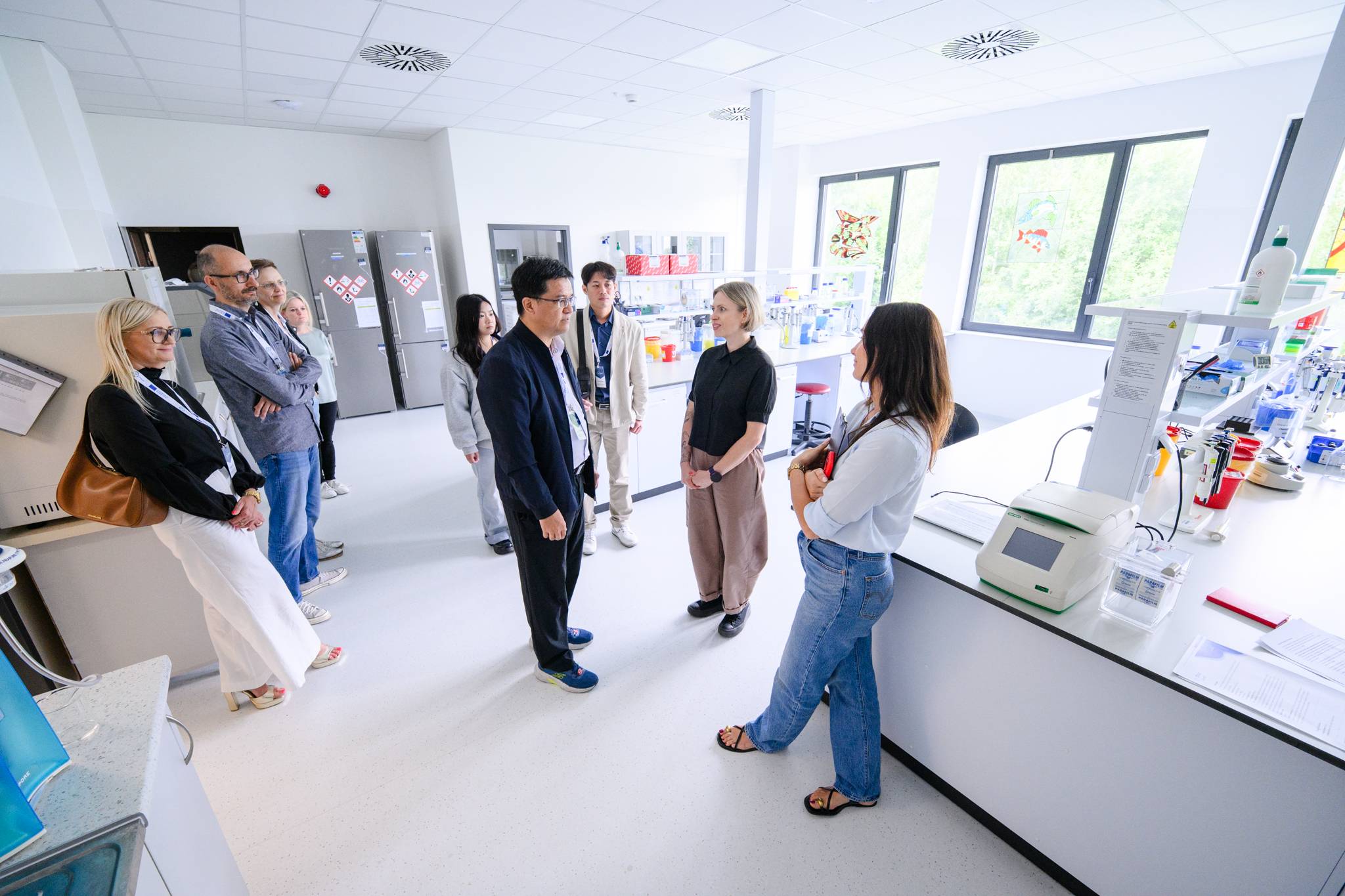
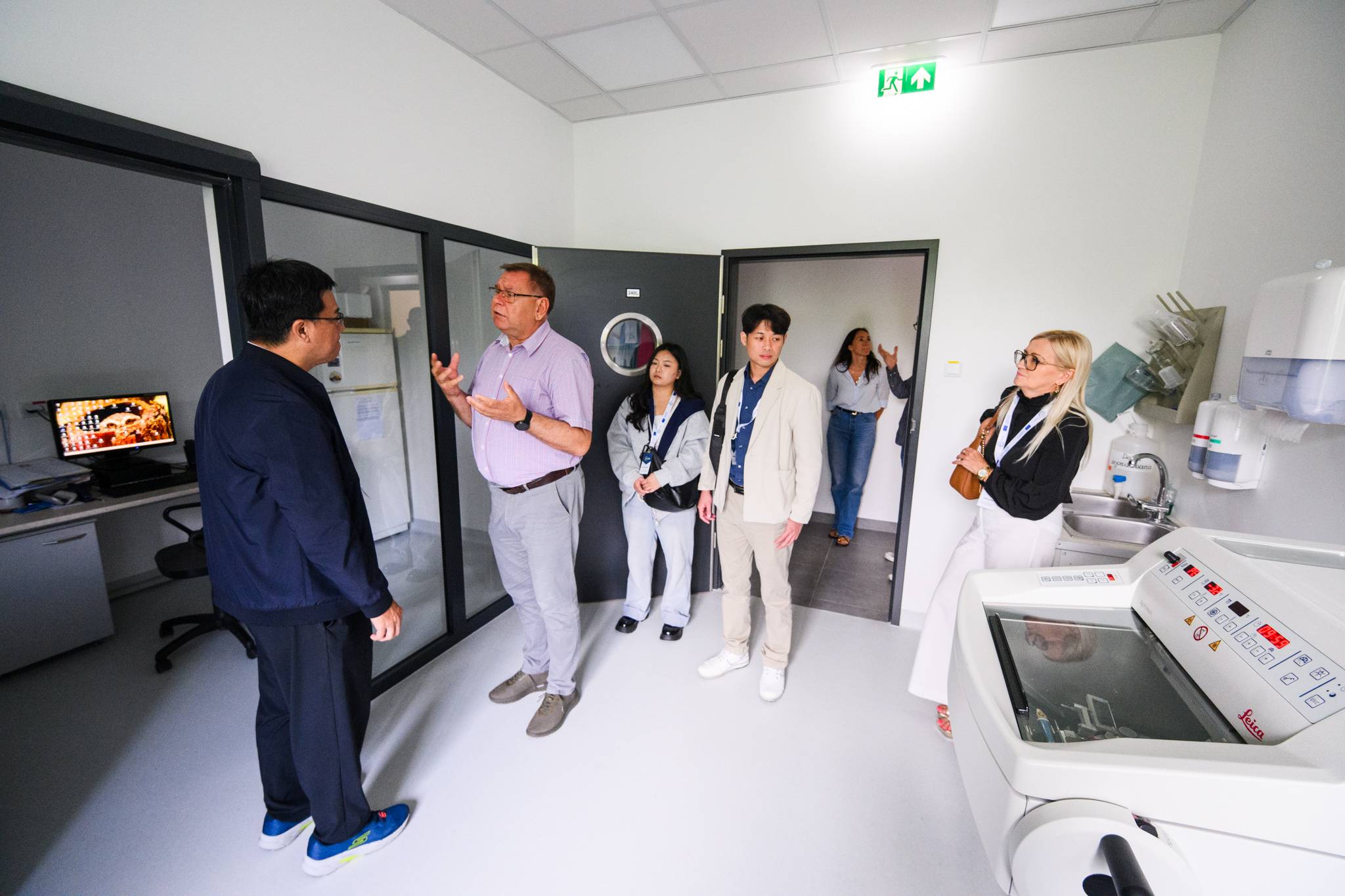
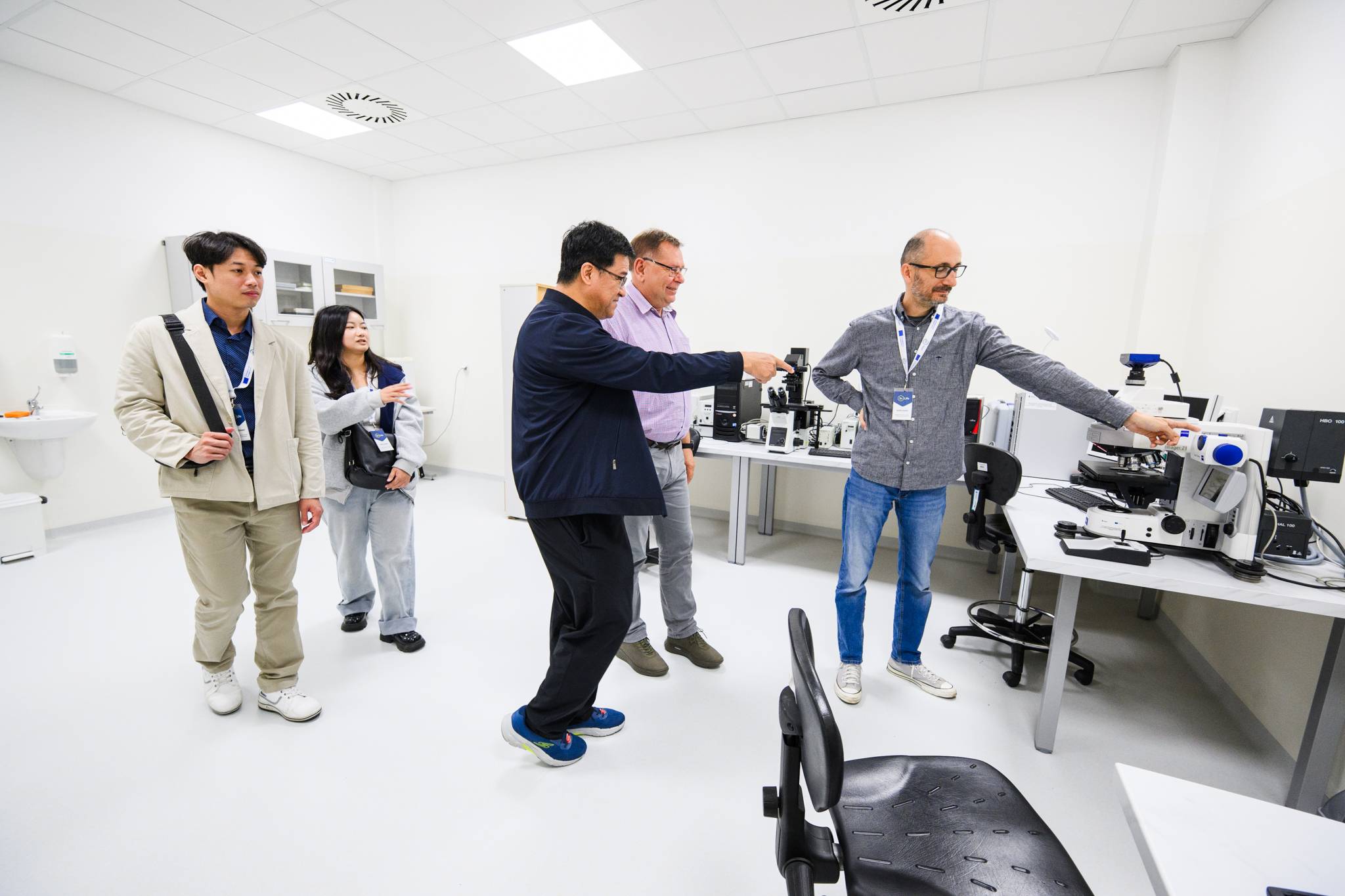
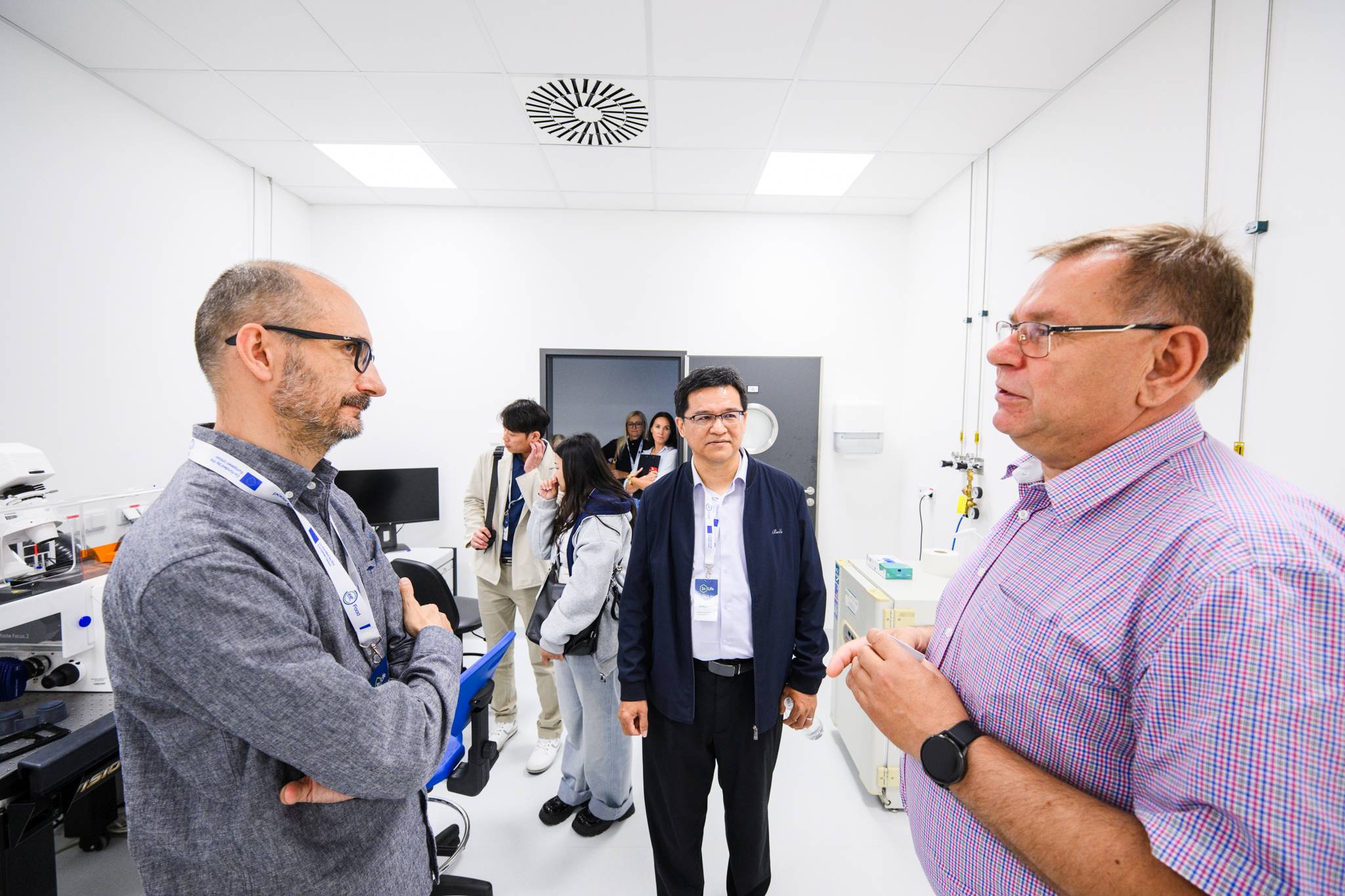
The seminar provided an opportunity to learn more about Professor Huang’s scientific achievements and to discuss current challenges in addiction research and the study of brain function. After the seminar, our guest visited the Institute’s research laboratories and its modern animal facility. The visit also provided an opportunity to showcase the Institute’s ongoing research, scientific infrastructure, and overall activities.
Photo Gallery